
Rev. Dr. S.W. Martin was more than a missionary; he was a visionary who transformed faith into action and education into liberation. From the quiet town of Issele-Uku, he built schools, communities, and futures, proving that true service lies in empowering others and that one man’s vision can illuminate generations.
By Sylvester Asoya
There are lives so incandescent that they alter the course of history; men whose presence becomes an argument for what is possible when conviction meets compassion. Rev. Dr. S.W. Martin was one such man; a visionary whose intellect, faith, and generosity ignited a movement that redefined the meaning of service and progress in his generation. His story is not only the chronicle of a clergyman but of a reformer who built schools, hospitals, and hearts; who saw, long before his time, how knowledge and kindness could transform an entire people.
Born in 1878 in Issele-Uku, a quiet town in today’s Delta State, Martin’s beginnings were unremarkable. Yet, destiny soon intervened in the form of a journey that would determine everything. As a boy, he left home for Onitsha, that bustling city on the eastern bank of the River Niger, in search of what he could not yet name. It was an adventure born of curiosity and circumstance, one that would ultimately shape his life’s grand design.
In Onitsha, young Martin found shelter in the home of a kindly old woman who treated him as her own son. Through a series of serendipitous turns; a near-death escape, new friendships, and a fortuitous encounter with American missionaries, he converted to Christianity and soon became a steward to one of them. That singular decision set him on the path to education, theology, and a lifetime of purpose.
His faith and diligence took him farther than he could have imagined: to Lokoja, and then across the Atlantic, to the United States of America. There, he studied theology, embraced missionary work, and served with distinction in the U.S. Marine Corps during a period when few Africans could dream of such exposure. His years in America refined his intellect and expanded his worldview; he absorbed the liberal spirit of inquiry that would later shape his approach to religion, education, and human development. When he returned to Nigeria in 1922, it was as a man transformed; a scholar-soldier, a philosopher-priest, and a patriot aflame with the idea that enlightenment was the truest form of liberation.
Martin’s return marked the beginning of a new era for Issele-Uku and the entire Midwestern region. He brought with him not only education and modernity but a fierce belief in human potential. Over the years, he established more than fifty schools, from primary to teacher-training institutions, spreading the gospel of learning with a missionary’s zeal. He also built hospitals, vocational centers, and homes for the homeless, insisting that faith without works was not merely dead, but disobedient. His schools produced the first generation of educated men and women in that part of the country, creating the foundation upon which modern Delta and Edo would later stand.
Martin’s impact went far beyond bricks and mortar. His generosity was legendary. He gave scholarships to hundreds, many of them indigent, and sponsored others to study abroad. He saw education not as a privilege but as a divine right; a way for humanity to better understand itself and its Creator. His contemporaries described him as unselfish, cultured, and profoundly humane, a man who merged Western intellect with African empathy.
In the years following the founding of University College, Ibadan, Martin even attempted, with the help of his American friends, to establish a university in Issele-Uku. The vision, audacious and decades ahead of its time, was frustrated by local politics. But the attempt alone captured the measure of his ambition. For Martin, enlightenment was not an ornament of prestige; it was the bedrock of progress.
Among those who have reflected on his legacy is the playwright and scholar, Professor Zulu Sofola, a fellow indigene of Issele-Uku, who once described him as Nwa Ezi Nmadu, “the child of a good person.” It was a fitting tribute to a man who gave freely of his gifts. He lifted children from the streets, built homes for the displaced, and sowed seeds of opportunity that continue to blossom long after his passing.
In Waiting for tomorrow: Reflections on my country Nigeria, a collection of essays by Sylvester Asoya, the writer describes Martin in glowing words, highlighting his virtues, self-sacrifice, achievements and unfading contributions to the world. “Martin was unselfish, a man who loved others. He was also a man of great vision. He offered scholarships and opportunities to hundreds of students and also established schools, hospitals and vocational centres across the entire defunct Mid-Western Nigeria. Martin was actually shaped by the American liberal education and he exemplified confidence, compassion, discipline, good knowledge of humanity and the wider world. He obtained a degree in America and served as an officer in the U.S. Army over a hundred years ago when most parts of Africa were literally sleeping. He returned to Nigeria and changed Issele-Uku and many communities in the Mid-West.”
Even decades later, his people still speak of him with reverence. To them, Rev. Dr. S.W. Martin is not a historical figure; he is a moral compass. Pa Paul Monye, a 93-year-old retired aircraft engineer, recalls his encounters with the missionary with a kind of sacred nostalgia. To Monye, Martin was “the reason Issele-Uku is known,” a pioneer whose influence extended across generations. In the 1930s, when only a handful of men in the region owned cars, one of them was Martin, a symbol not of opulence but of enterprise and connection to the modern world.
Others remember him as both saintly and formidable. The poet Emeka Nwaeme describes him as “all-encompassing”, a man revered by all, even the elders whose councils he seldom attended. They sought his counsel in times of confusion, for his wisdom carried the weight of insight born of both faith and worldliness.
Each year, Martin’s birthdays became a community feast. He would slaughter ten cattle; one for each of the town’s villages, turning his home into a banquet of fellowship. Children received school bags and writing materials, gifts they cherished as tokens of inclusion and hope. These gestures were not indulgent; they were deliberate acts of communion, symbolic of his belief that unity and generosity could heal the fractures of a divided world.
Beyond his ecclesiastical mission, Martin was also a man of courage. During the Nigerian Civil War, when fear gripped many towns, he famously confronted advancing troops under Col. Murtala Mohammed, barring them from entering Issele-Uku. It was an act of defiance that became legend, the solitary figure of a clergyman standing at the town’s gate, demanding that soldiers spare his people. It was pure Fela-like theatre of resistance, except this was not a performance; it was moral courage in action.
His influence was not limited to Nigeria. Through his missionary work, he brought American and African-American educators, doctors, and nurses to Issele-Uku and surrounding communities. These partnerships enriched both sides: Africans encountered new ideas, while the foreigners, many inspired by his example, discovered in Africa a moral and spiritual depth that would redefine their own lives. Today, institutions like the Adams Memorial School in Issele-Uku stand as quiet monuments to those partnerships.
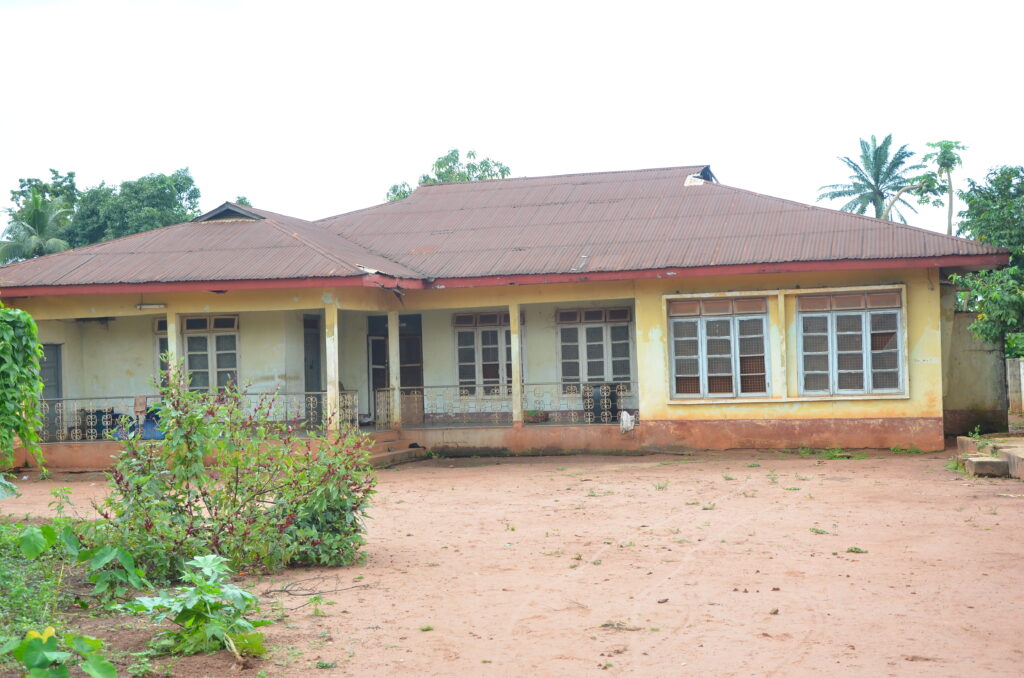
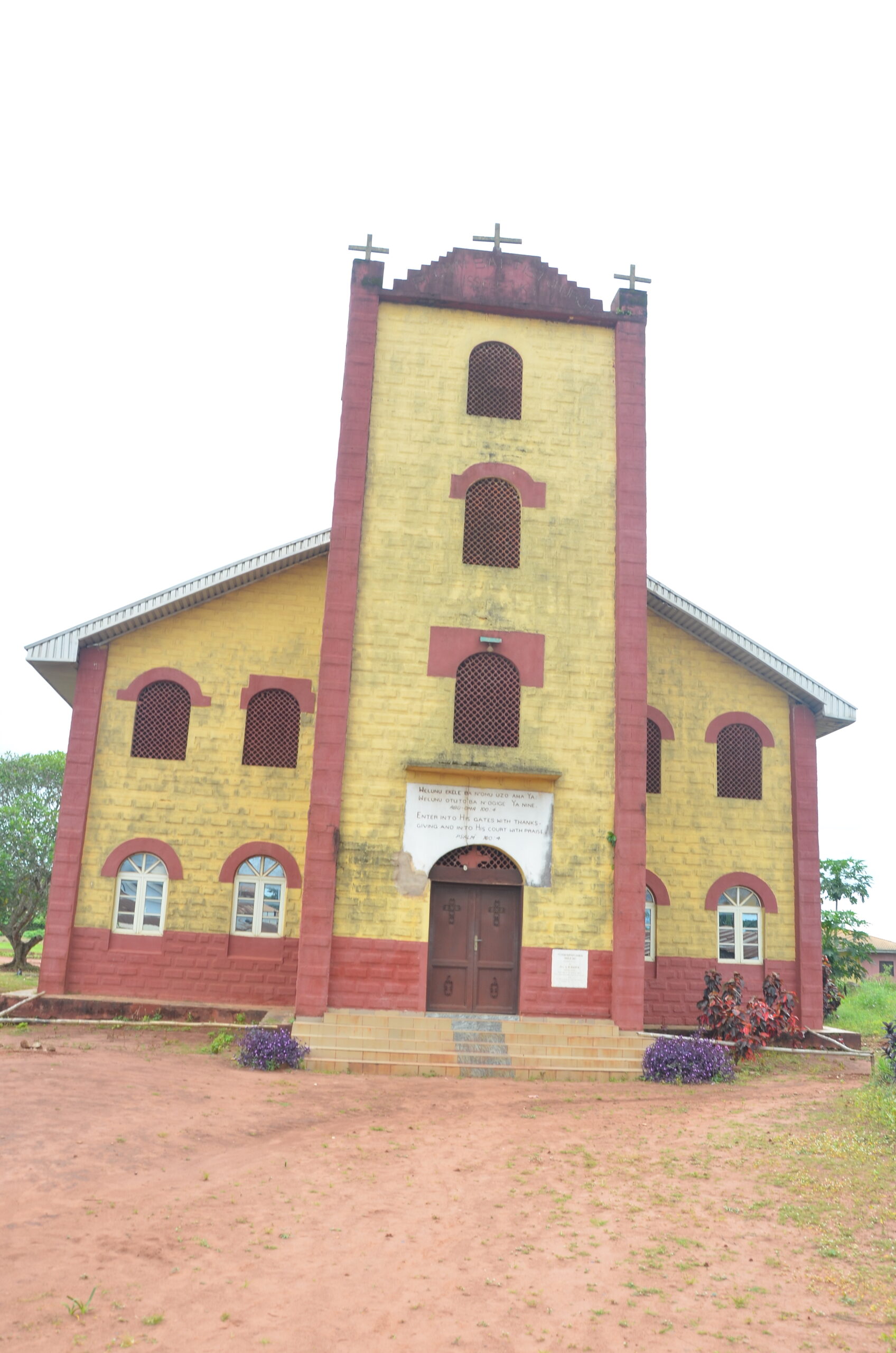
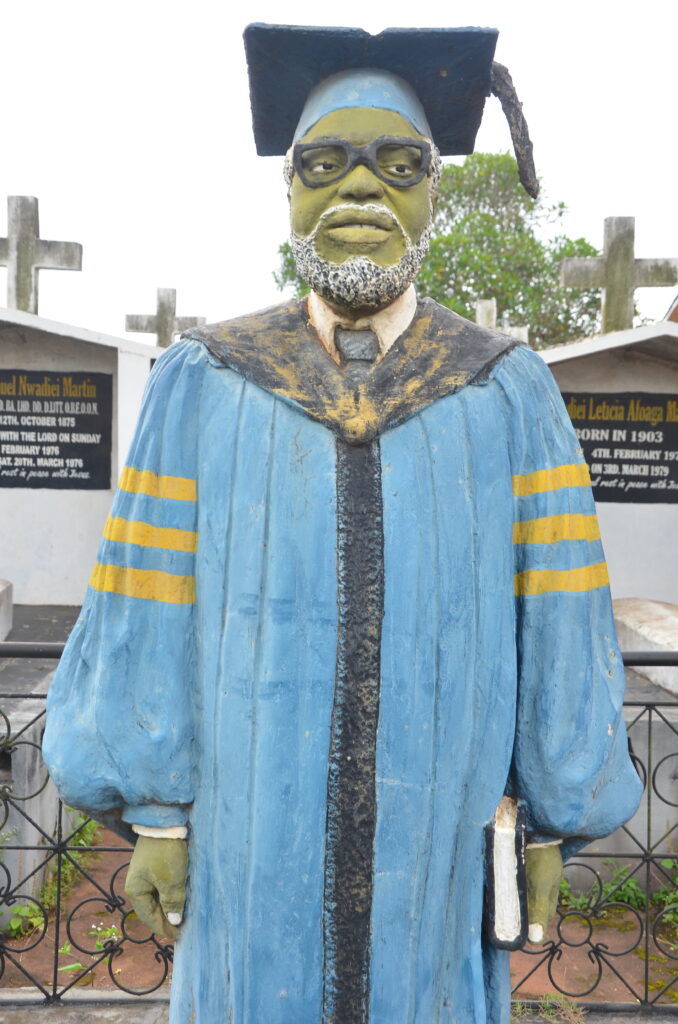
Martin’s wife, Leticia, was no less remarkable. A woman of grace and intellect, she supported her husband’s mission with poetic vigour, composing African praise songs for visiting benefactors and nurturing the spiritual community he built. Together, they embodied a rare union of purpose; faith and intellect, service and partnership. Their final resting place, side by side within the grounds of Pilgrim Baptist Church, remains a pilgrimage site for those who remember what they stood for.
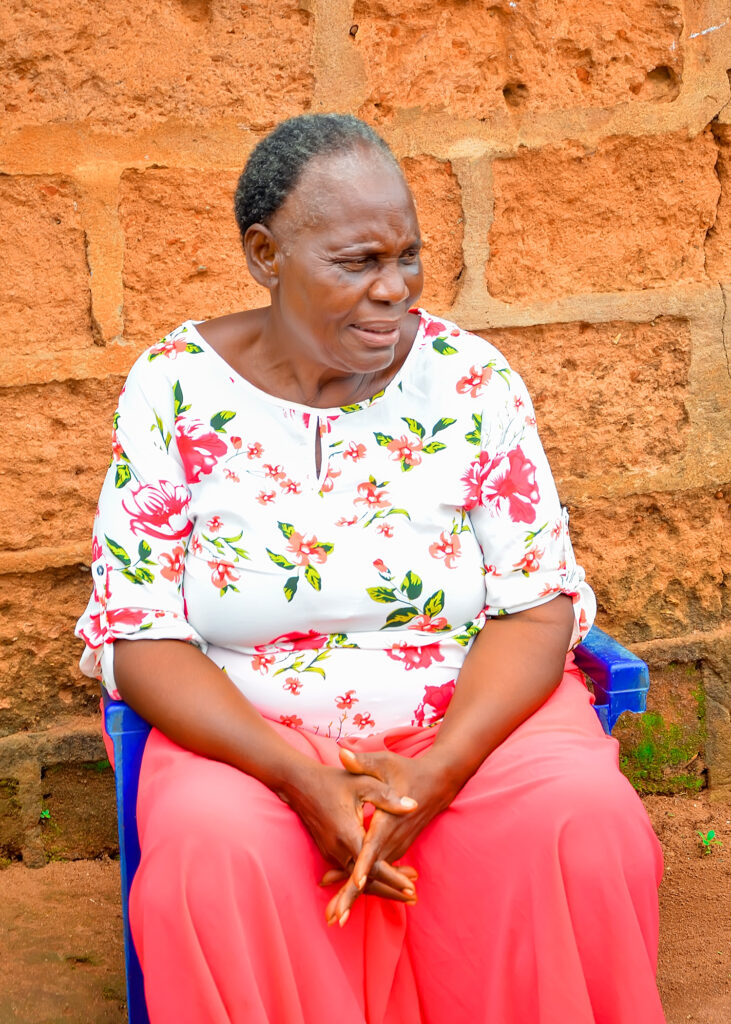
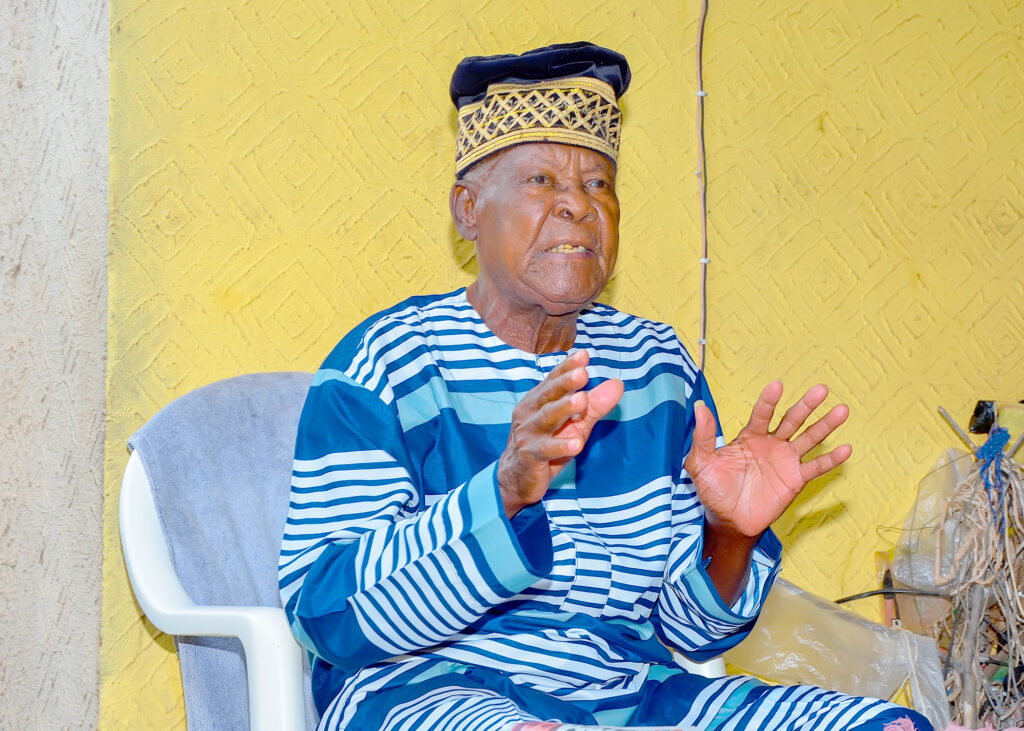
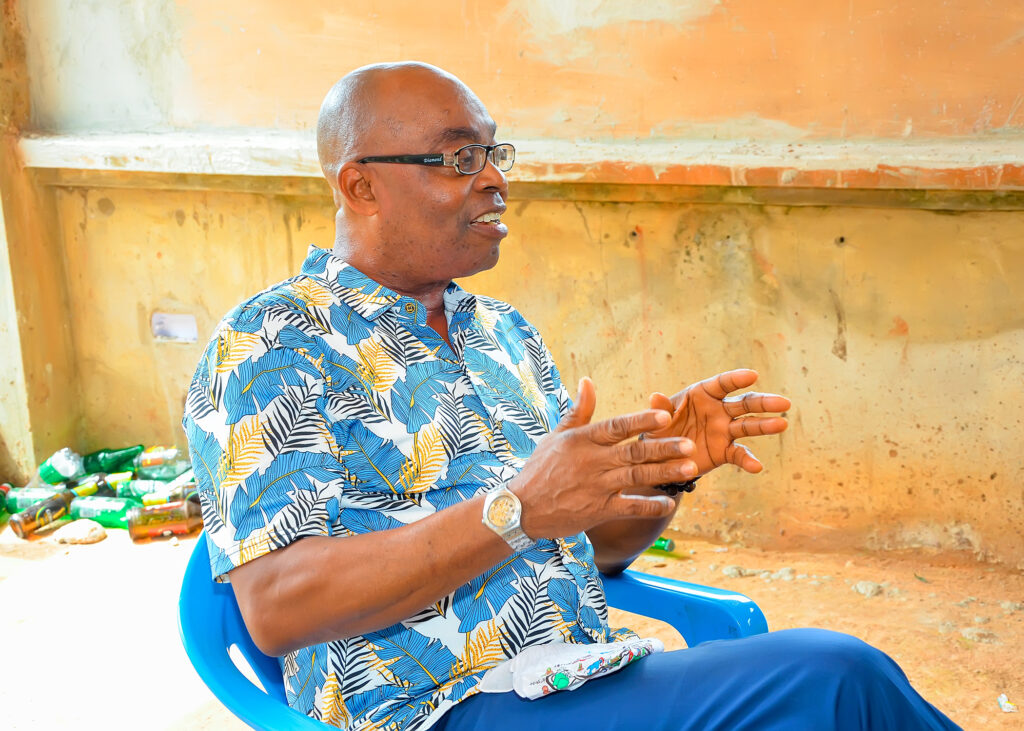
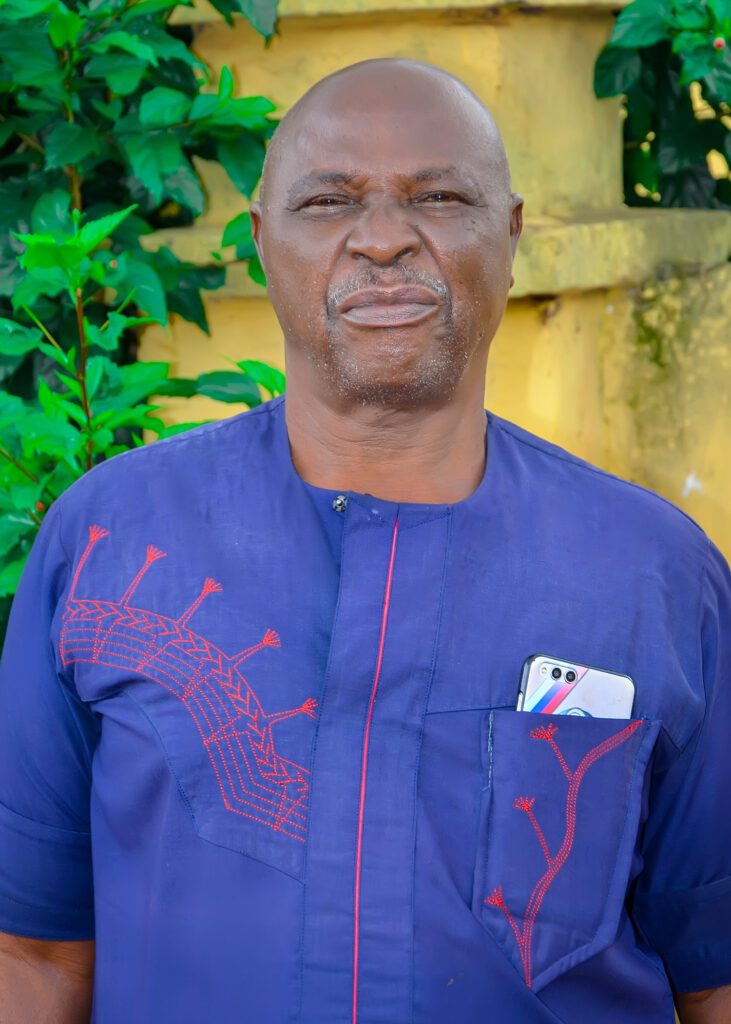
Many others still speak of Martin’s enduring example. Mrs. Joy Bialonwu, one of his adopted children, recalls his devotion to young people; how he founded youth fellowships and built the imposing Ogboli Hall, still one of the architectural landmarks of Issele-Uku. Deacon Paul Mokobia remembers him as “a man who lived for others,” dedicating his every day to the improvement of life around him.
To speak of Rev. Dr. S.W. Martin, then, is to speak of possibility: of what happens when one person dares to imagine that a small town can become a beacon of progress. He belonged to that rare category of men who collapse the distance between the sacred and the civic, the pulpit and the classroom. His theology was practical; his faith, embodied in action. He believed that salvation without education was incomplete, that knowledge without service was vanity.
Time has not diminished him. His memory endures in the institutions he founded, the lives he changed, the moral infrastructure he built. More profoundly, it lives in the values he transmitted; humility, discipline, courage, and the insistence that greatness lies not in possessions but in purpose.
Pa Monye, reflecting on Martin’s life, speaks with both gratitude and yearning: “I pray every day for another Martin to come.” It is a prayer that captures both longing and hope, a wish that Nigeria might again produce men of vision, grace, and integrity who understand that to lead is to serve and to build is to bless. In the final analysis, Rev. Dr. S.W. Martin’s life is not merely a biography; it is a parable, one that reminds us that faith can be progressive, charity can be revolutionary, and one person’s conviction can awaken an entire generation. His story remains an enduring melody: quiet yet unrelenting, calling us still, across time, to the higher duty of love, knowledge, and humanity.