

Stroke may be sudden, but its defeat lies in the slow, deliberate choices of a life lived with vigilance
By Yemisi Adebiyi (MD)
Stroke remains one of the most formidable adversaries in modern medicine: a silent and often insidious rupture in the harmony of the brain’s vascular orchestra. It strikes with little warning, yet its aftermath can be devastating, altering speech, movement, memory, and even identity. The World Health Organization identifies stroke as one of the leading causes of death and disability worldwide. And yet, amidst its quiet ferocity, stroke offers subtle harbingers; early signs that, if recognised and heeded, can save not only lives, but the essence of who we are. Here are seven of those early signs: the nuanced indicators that a stroke may be underway or imminent, and of course, a number of proactive strategies one can adopt to prevent this ailment from ever taking hold.

1. Sudden Numbness or Weakness — Especially on One Side
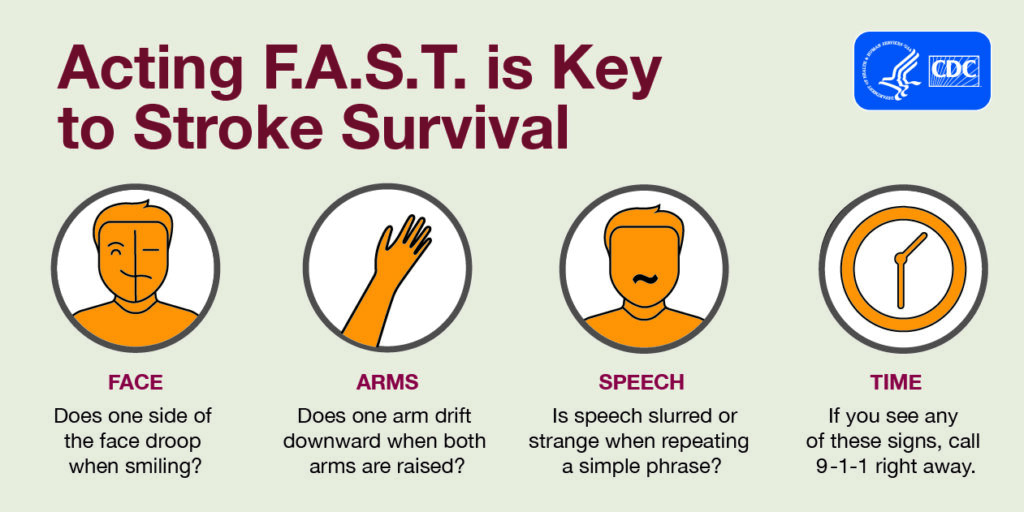
The hallmark symptom of stroke is sudden weakness or numbness, particularly affecting the face, arm, or leg, often localised to one side of the body. This asymmetry is not coincidental: strokes frequently disrupt the function of one cerebral hemisphere, resulting in contralateral deficits. A drooping mouth, a limp hand, or a dragging foot may signal the abrupt cessation of blood flow to key motor areas of the brain.
2. Abrupt Confusion or Difficulty Speaking
Language, the crown jewel of human cognition , is remarkably sensitive to cerebral insult. A person experiencing a stroke may suddenly find themselves unable to articulate thoughts, slurring their speech, or speaking in nonsensical phrases. Comprehension may also falter. These manifestations are often the result of injury to Broca’s or Wernicke’s areas, critical speech centers in the brain’s left hemisphere.


3. Visual Disturbances
Vision, though often taken for granted, is a complex cortical process. A sudden blurring or loss of sight in one or both eyes — particularly if accompanied by other neurological signs, warrants immediate concern. Strokes affecting the occipital lobe or the optic pathways can obscure the visual field, leaving shadowed patches or total darkness in their wake.
4. Loss of Balance, Dizziness, or Trouble Walking
The cerebellum, nestled at the brain’s rear, governs balance and coordination. When deprived of blood flow, it may send signals in the form of sudden dizziness, unsteady gait, or an inability to walk in a straight line. These symptoms, though sometimes dismissed as benign vertigo, may in fact herald a posterior circulation stroke, a notoriously under-recognized variant.
5. Sudden Severe Headache with No Known Cause
A thunderclap headache: intense, explosive, and unlike any previous pain, may signify a hemorrhagic stroke, particularly subarachnoid hemorrhage. Such strokes are not caused by clots, but by ruptured blood vessels. They are rare but frequently fatal if not treated with urgency. The suddenness and severity of the pain should never be ignored.
6. Sudden Fatigue or Altered Consciousness
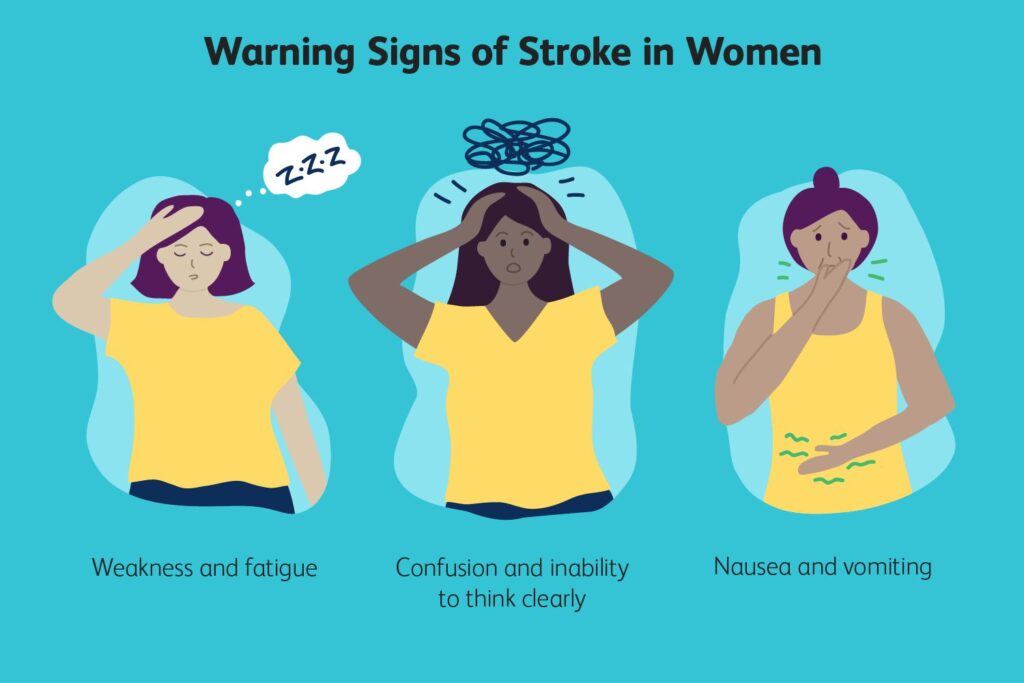
Though more subtle, a sudden and profound exhaustion — the kind that makes even simple speech or movement feel insurmountable — can precede a stroke. In some cases, the individual may become drowsy, confused, or even lose consciousness. This is especially common in strokes affecting deeper brain structures, such as the thalamus or brainstem.

7. Facial Drooping
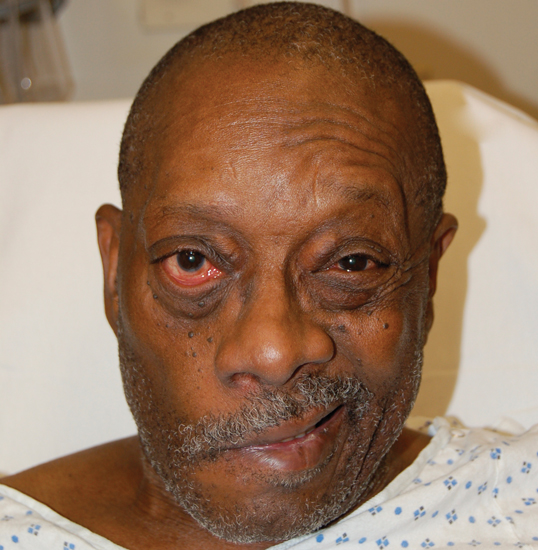
When the muscles of the face suddenly lose tone, the result can be an unmistakable slackening of one side; a lopsided smile, a drooping eyelid, or an uneven expression. It’s a visible signal that the brain’s command over facial nerves has been compromised. In clinical settings, this sign is often the first to prompt emergency intervention.
Prevention: A Lifelong Strategy
While stroke can strike without warning, it is often the culmination of years, even decades, of silent vascular deterioration. Prevention, then, must be comprehensive, sustained, and deeply personal:
- Control Blood Pressure
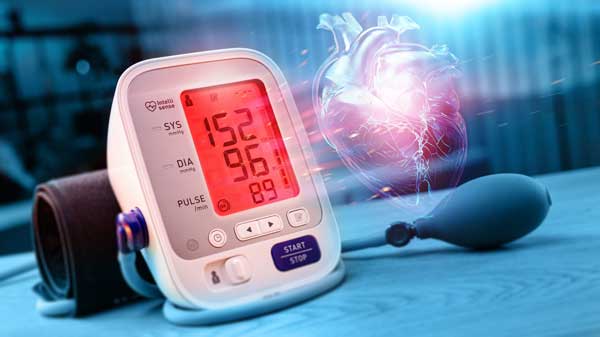
Hypertension is the most significant modifiable risk factor. Regular monitoring, dietary adjustments, and antihypertensive medication, if necessary, are crucial.
- Manage Blood Sugar
Diabetes increases the risk of stroke significantly. Keeping glucose levels in check through diet, exercise, and medication protects both large and small blood vessels in the brain.
- Lower Cholesterol:
Atherosclerosis: the buildup of plaques in arteries, narrows the vessels that supply the brain. Statins, when prescribed, can reduce this risk and even stabilise existing plaques.
- Exercise Regularly
Moderate physical activity, such as brisk walking for 30 minutes a day, improves cardiovascular health, supports weight management, and reduces stroke risk.
- Avoid Tobacco and Excessive Alcohol
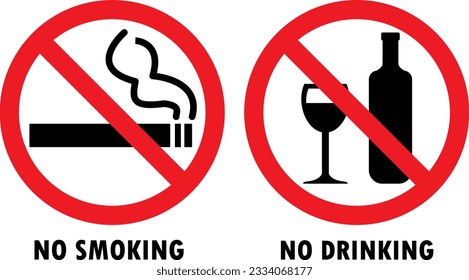
Smoking accelerates arterial damage, while excessive alcohol consumption can raise blood pressure and increase clotting tendencies. Abstinence or moderation in both is key.
- Stay Attuned to Atrial Fibrillation
This common arrhythmia can cause blood clots to form in the heart and travel to the brain. Those over 65, in particular, should be screened regularly. In the final reckoning, the battle against stroke is not only waged in emergency rooms but in kitchens, clinics, and quiet moments of self-reflection. By cultivating an awareness of its early signs and a commitment to prevention, we reclaim agency over a condition that so often seems to rob us of it. Stroke may be sudden, but its defeat lies in the slow, deliberate choices of a life lived with vigilance.
Yemisi Adebiyi, a Medical Doctor, is a Family Physician