
How slang, bravado and struggle are defining Nigeria’s growing pop culture, youth creativity and identity. Suffice to say that this widespread creativity is also fuelling innovation in music, fashion, tech and everyday Street Life
By Sylvester Asoya
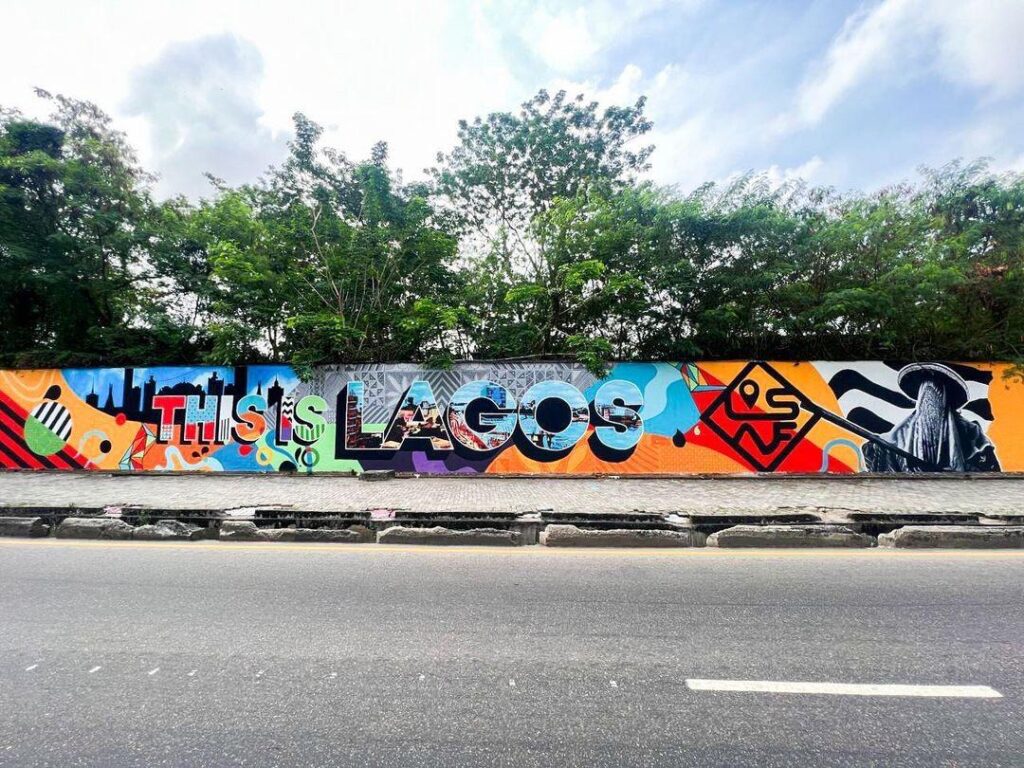
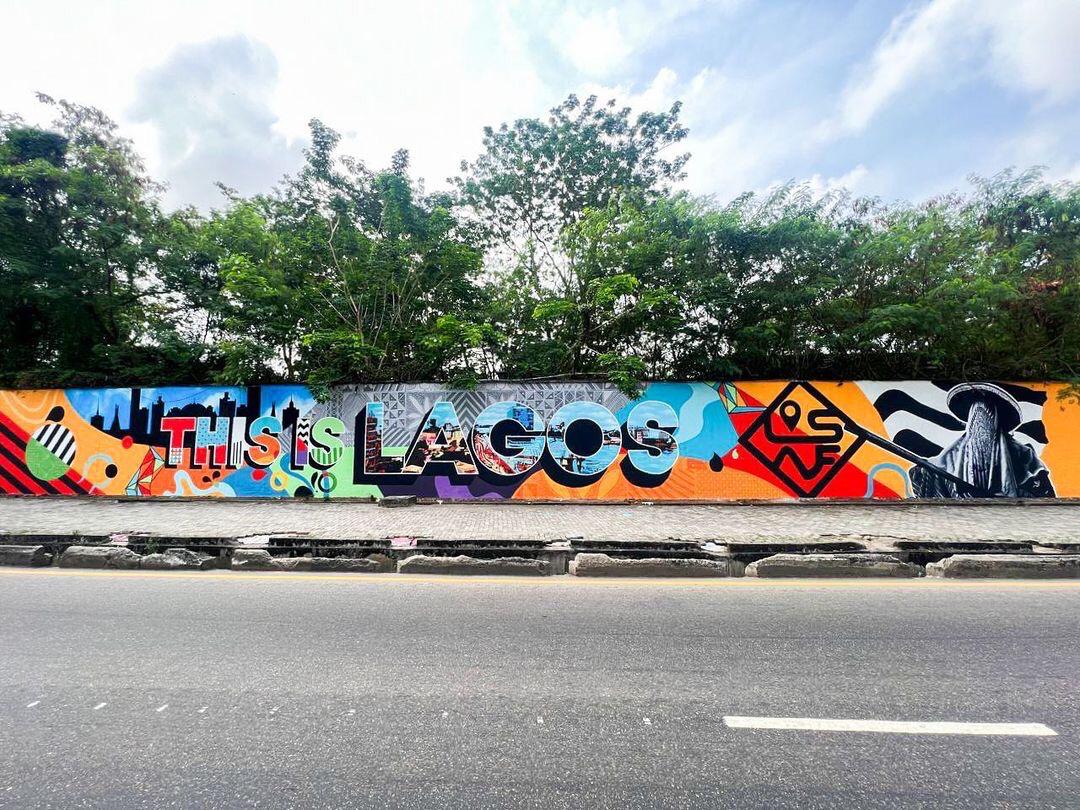
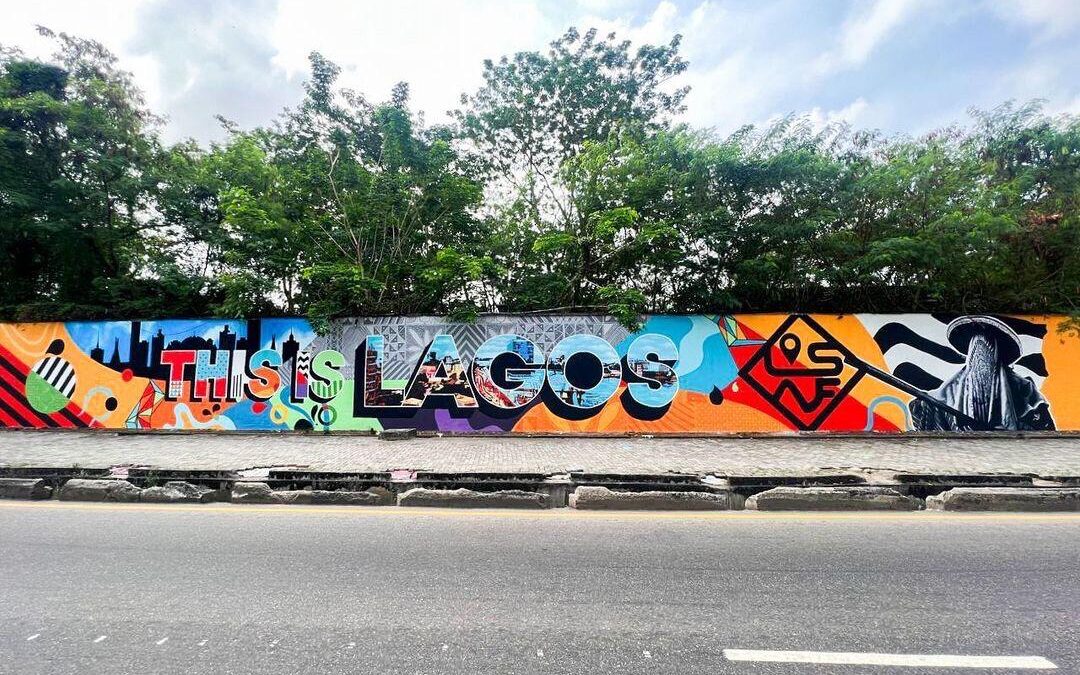
On the streets of Warri, Sapele, Lagos, Asaba, Enugu, Onitsha, Ibadan, Kano, Kaduna, Port Harcourt and even Osogbo, a compelling development is taking place. The average Nigerian youth today, long neglected by political systems, economic uncertainty and limited opportunities, in both the private and public sectors, are creating a new identity. Naturally, this new identity draws substantially from defiance, audacity, creativity and self-assured identity, deeply rooted in resilience, cultural pride and their lived experiences.
Understandably, the three important forces driving this unprecedented transformation or revolution are slang, bravado and struggle. These three central forces, unsurprisingly, are also shaping street credibility that today, defines much of Nigerian youth culture.
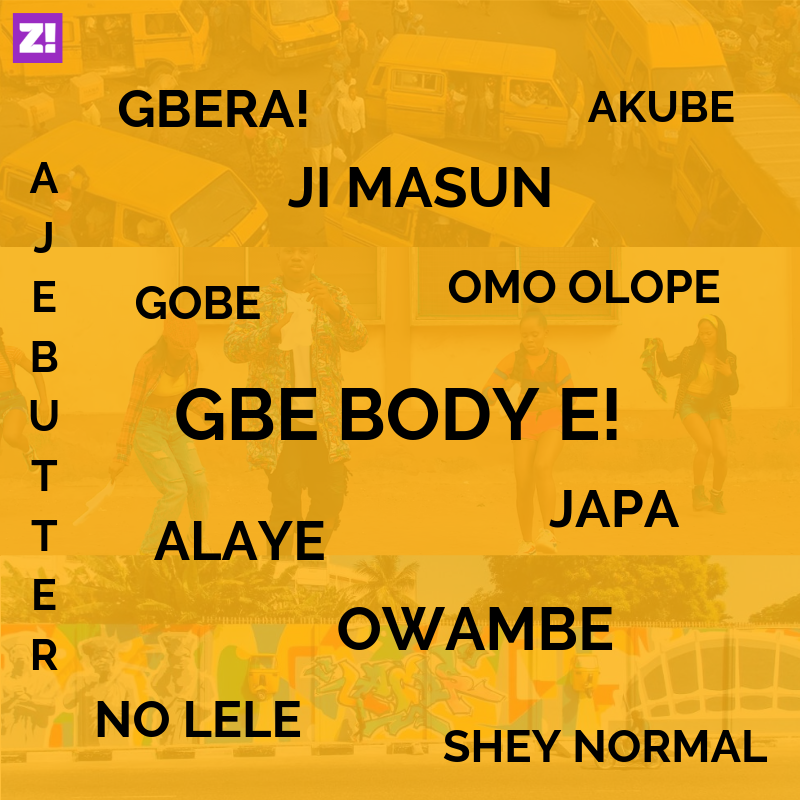
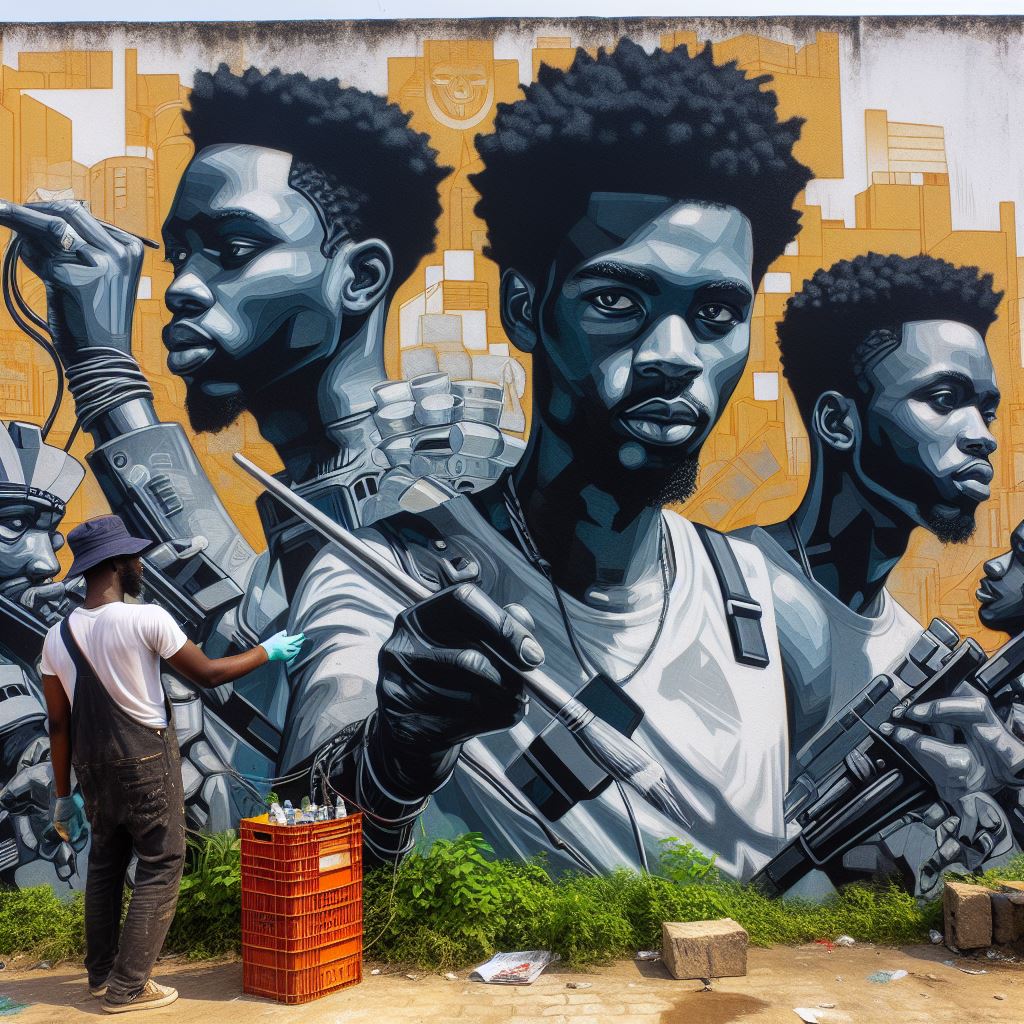
But the question is: how is slang in particular, powering the language of the streets and activities of youths in Nigeria? For those who know, slang is more than just city mischief or an exuberant twist of words for maximum effect among people of a particular age or group. The truth is that slang is a veiled language of creativity, survival, affiliation and solidarity. Whether they are phrases like “wetin sup”? “How far”? “Sapa dey choke”, “Wise up, no dulling”, “No gree for anybody”, “E choke, abi?” “Wahala dey”, “Dey play” or “Japa”, these expressions, pedestrian as they may appear in the opinion of some people, resonate powerfully with young people across class and region.
It is also important to add that in the underworld of young people, slang is the preferred language for cutting fast deals, navigating risky transactions with discretion and covering tracks to avoid detection.
One great thing about slang, and this is an undeniable, is the fact that it allows young people to articulate their worries, hopelessness and frustrations without bitterness or pain. Nigerian slangs are fluid, direct, adaptable and ever-evolving, whether it is the Warri or Sapale variant, or the prodigiously creative Lagos slang, they all have many things in common, among which are a reflection of social realities, originality and the irrepressible spirit of the Nigerian youth.
Slangs are also driving Nigeria’s growing pop culture and youth creativity which is enormous. Suffice to say that this widespread creativity is also fuelling innovation in music, fashion, tech and everyday street life. The fact that slangs also allow people express hard truths and at the same time, cope with everyday serious issues, both with politics and the economy in Nigeria, means that they are always laced with sarcasm and irony.
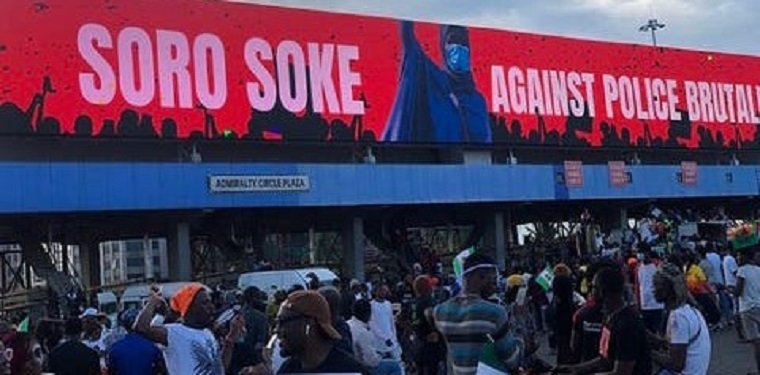
How about the use of slangs for subtle rebellion by young people in Nigeria? This becomes manifest during street protests, or campus demonstration, and no one is usually surprised with the way and manner Nigerian youths deploy slang and other forms of street language to challenge authority in expressing their social realities. Today, this generation is also masking criticism with sarcasm and light-hearted ways, ostensibly to ease tension. Who still remembers “Soro soke”, a Yoruba word for speak louder, and how the word became a uniting cry for freedom, justice and accountability at one time or the other in Nigeria?
And if these creative young Nigerians want to expose corruption, discrimination, lethargy or inefficiency, they would use expression like: “Nothing wey Musa no go see for gate”, which means: always expect the unexpected or “Naija no dey carry last”, another kind of mockery that highlights illogicality or ill-conceived policies of people in high places and even government. This Generation Z, well-known for their social consciousness, independent thinking and side-hustle, are also smart enough to know that openly shaming and confronting bad leadership comes with consequences. So, what do they do? They use slang as a safe but effective tool to criticize bad government, poorly thought-out policies and shade light on police brutality without being unnecessarily confrontational and direct. This generation Alpha is also using slang to create their world, a place of convenience where humour, resistance, conviviality and identity thrive away from Nigeria’s traditional fault lines of ethnicity, region and religion. Now, most of them believe that their common struggle and a shared street culture have become tools of personal and collective emancipation in a society where young people believe that they are not treated fairly. Again, street language is creating community, engendering unity and building solidarity like never before.
Sylvanus Nwafor, a techpreneur and polyglot, fully understands the average Nigerian young person and the power of slang, thanks to his deep knowledge of Nigeria’s major languages. “If you ask me, young people are underrated in Nigeria by older people, yet their creativity, audacity, use of slang and their collective hustle, show a level of confidence, innovation and resourcefulness never seen before in our history as a country. Whether in sports, music, technology or adventure, they are promoting the Nigerian brand consciously or unconsciously, and they also proving their capacity. Can you for a minute, imagine the revolution driven by young people producing content on social media, alongside young writers, entrepreneurs, unofficial ambassadors and athletes making waves across the globe?
Our youths should no longer be underestimated. Underrate them at your peril”. The inconvenient truth, and it is important to stress this, is that young people in Nigeria today, have come to stay with their ingenuity, boldness, and use of technology to better their lives and the lives of their loved ones. They have also demonstrated their resourcefulness at different times, even under repression. Undoubtedly, the Nigerian youth today is bold, self-assured, inventive, and reshaping Nigeria and even the world on his or her own terms. And the sooner those in leadership positions across the country recognize this, the better for everyone.