
To explore London for less is not to settle; it is to curate. It is about choosing softly shimmering guesthouses in artistic boroughs, capitalizing on free museums and parks, walking quietly across centuries, entering concerts for pennies, while seamlessly interlacing the elevated with the accessible.
By Candice Eze
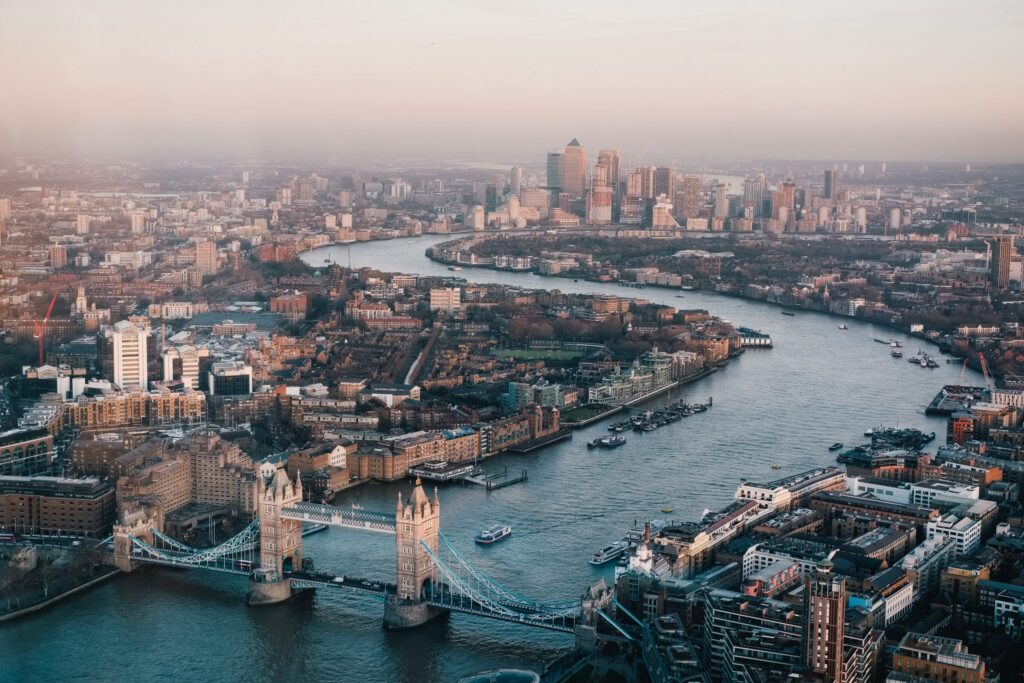
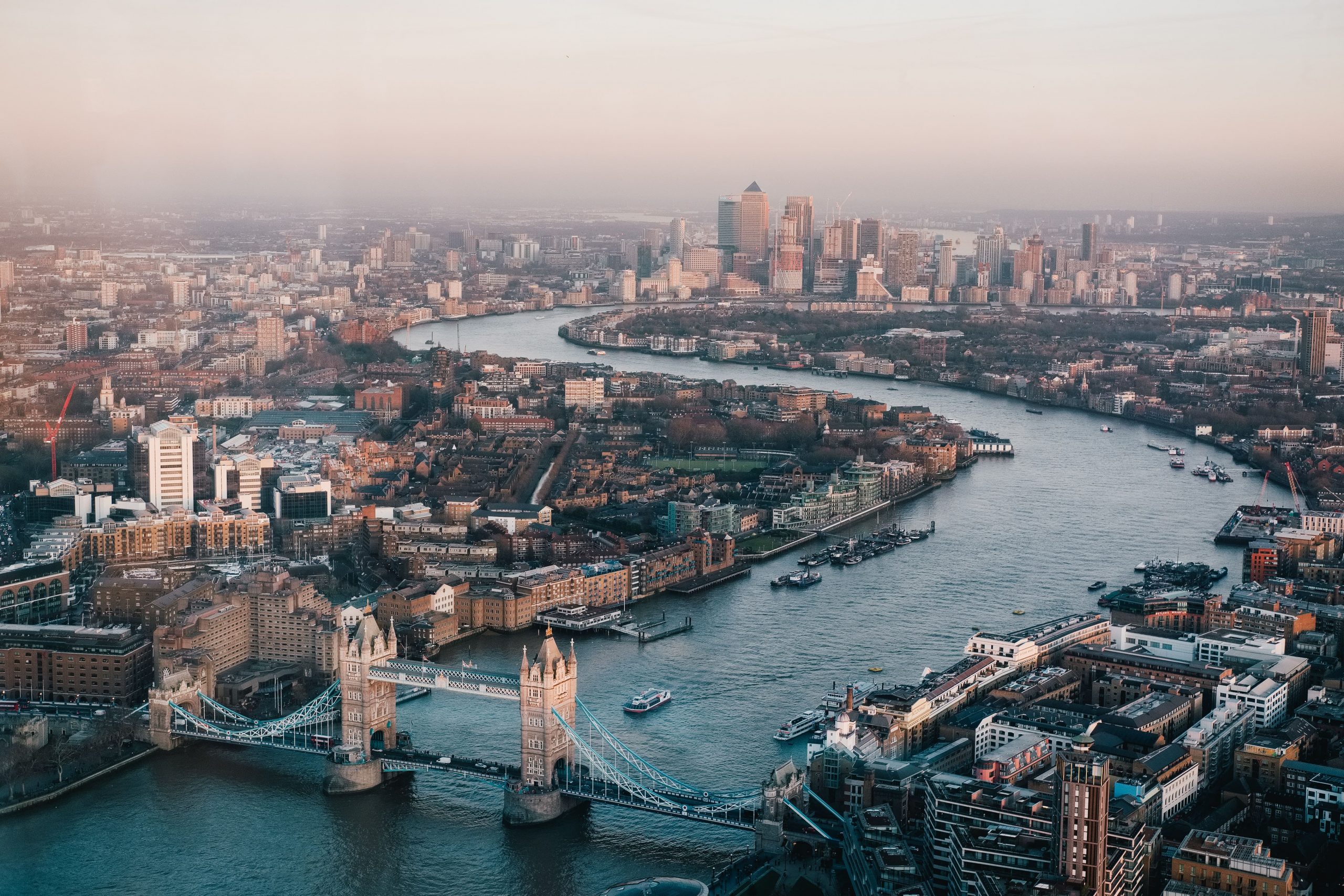
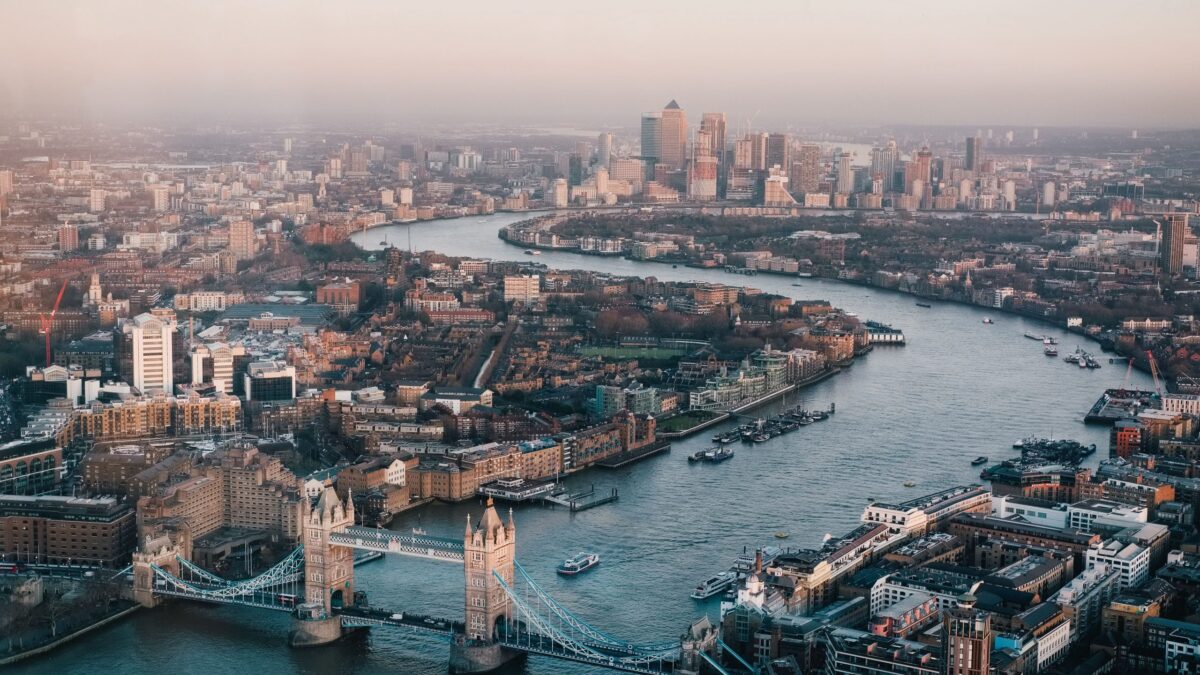
London, with its storied streets, historic squares, and world‑class cultural tapestry, often conjures images of high‑end hotels and Michelin‑starred splendors. Yet beneath its gilded veneer lies a wealth of understated luxury available to the discerning traveller who seeks elegance on a modest budget. With a measured approach, mindful of timing, transport, local insight, you can immerse yourself in London’s ancient‑meets‑avant‑garde spirit without overspending. Here is your refined guide to exploring London for less, steeped in elegance, history, and soul.
1. The Art of Timing: When to Go, When to Book
a) Off‑Season Savvy
The most refined guide knows that luxury isn’t always in peak season. Autumn’s gentle chill and early winter’s festive hush (late October to mid‑December, excluding the week of Christmas) offer calm streets, melancholic mist‑lit mornings, and hotel rates that drop by as much as 30–50 percent compared to summer’s bustle. Likewise, January through March (excluding half‑term school breaks and Valentine’s weekend) bring crisp clarity to museums and galleries, and airfares that glide downward.
b) Advance Planning — and Spontaneity
Reserve key elements: like accommodation and major West End shows, well in advance to secure better rates or promotions. Yet leave room for a touch of spontaneity: midday theatre matinees, late‑season hotel “walk‑in” deals, and pop‑up culinary events can yield rare spoils.
2. Elegant Stays with Subtle Savings
a) Boutique Hotels in Quieter Quarters
Ditch the tourist‑heavy West End and Covent Garden for quieter boroughs rich in charm:
- Peckham, once modest, now glimmers with creative energy. Think elegantly curated B&Bs in Victorian terraces — stylish, often family‑run, and far friendlier on the wallet.
- Brixton Village and Camberwell offer modest hotels and guesthouses where vibrantly plated breakfasts, rich in flavour and hospitality, cost less than their central counterparts.
- Greenwich, steeped in maritime history, houses refined guesthouses with river‑front vistas. Book early to enjoy reasonable rates before cruise‑ship traffic arrives.
b) Apartment‑Style Alternatives
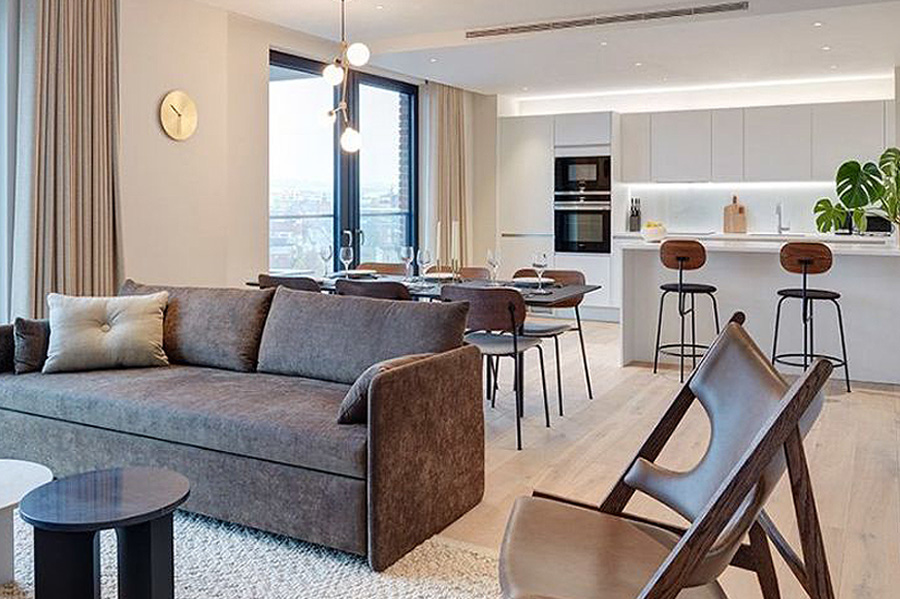
Platforms offering serviced apartments or private flats often present better value, especially for longer stays or those travelling with companions. Imagine descending from your elegant flat to purchase fresh produce in Borough Market before embarking on a day’s exploration.
c) Smart Splurge Strategy
3. Transport with Grace and Economy
a) The Oyster Card: Small Token, Big Savings
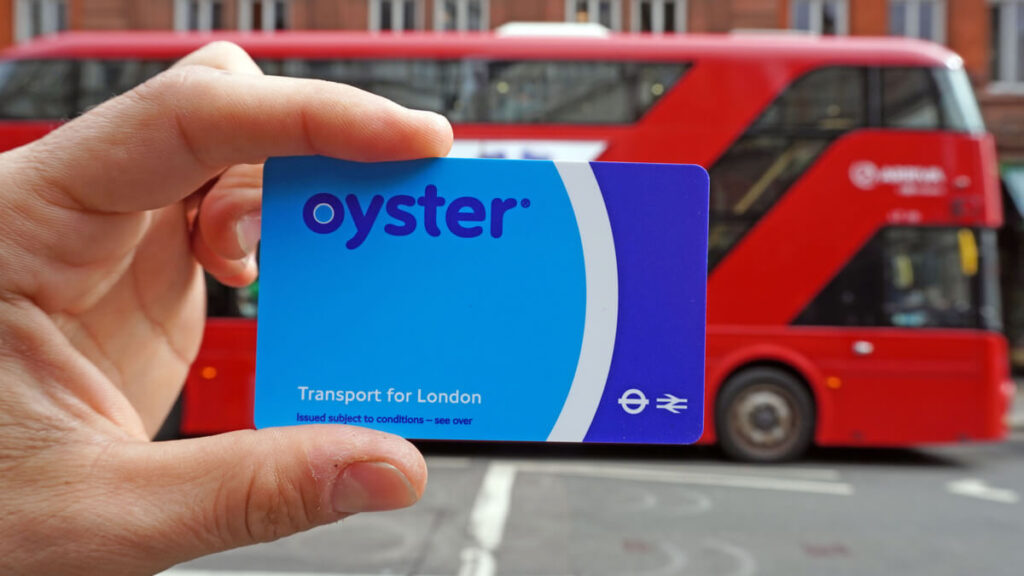
Acquire an Oyster card at the airport or any Underground station. Tap in and out on buses, the Tube, trams, DLR — the system caps at a daily maximum (£7–£8), mirroring a day‑pass without added cost. It’s smart, discreet, and elegantly simple.
b) Walkable Splendour
London’s heartbeat is best felt on foot. Start in Southwark with a stroll along the Thames Path—past the Globe, Tate Modern, and Shakespeare’s Globe. Cross London Bridge to Led Zeppelin‑haunted Borough Market, and continue across the Millennium Bridge to the cathedral’s steps. Meadows, gardens, and historic churchyards offer tranquil pauses that cost nothing but enrich every step.
c) The Cost‑Conscious Cab
For night‑time travel or early‑morning errands, the iconic black cab remains regal yet accessible. Fuelled by competition, many operators now run ride‑sharing apps or fixed‑fare services—retain that London flourish without the gilded taxi rate.
4. Cultural Opulence at No or Low Cost
a) Free Museums and Galleries
Museums in London are elegantly democratic: most of the big names are free, courtesy of public funding.
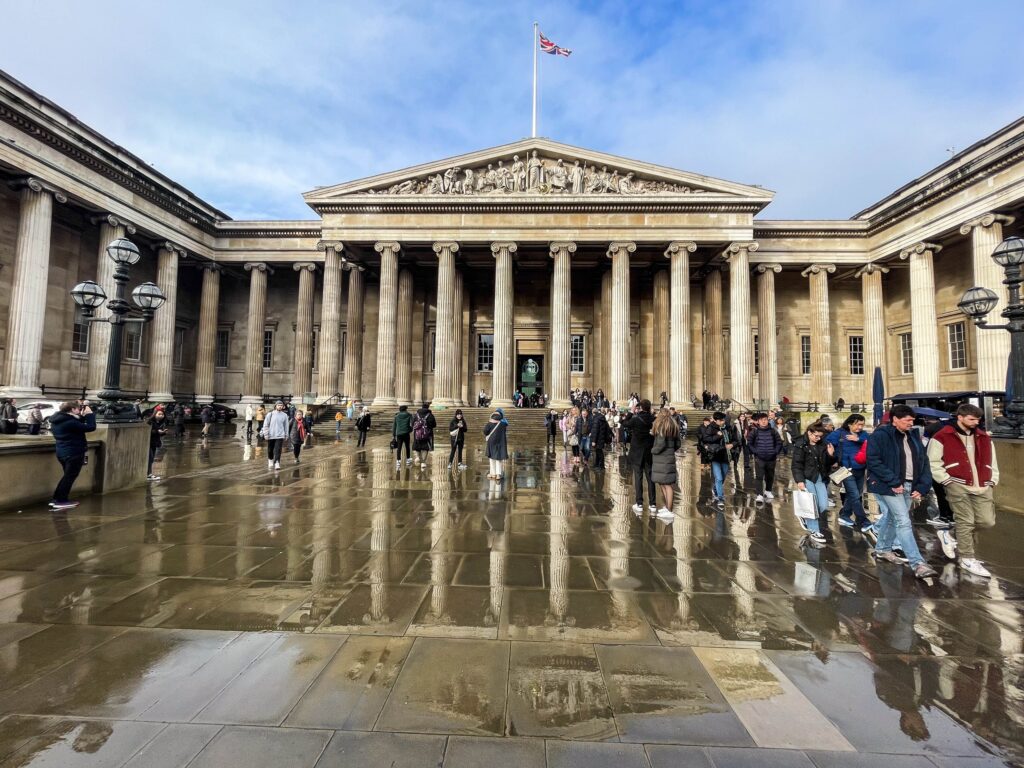
- The British Museum, home to the Rosetta Stone and Elgin Marbles, invites contemplative exploration among banquet‑size halls and hushed galleries.
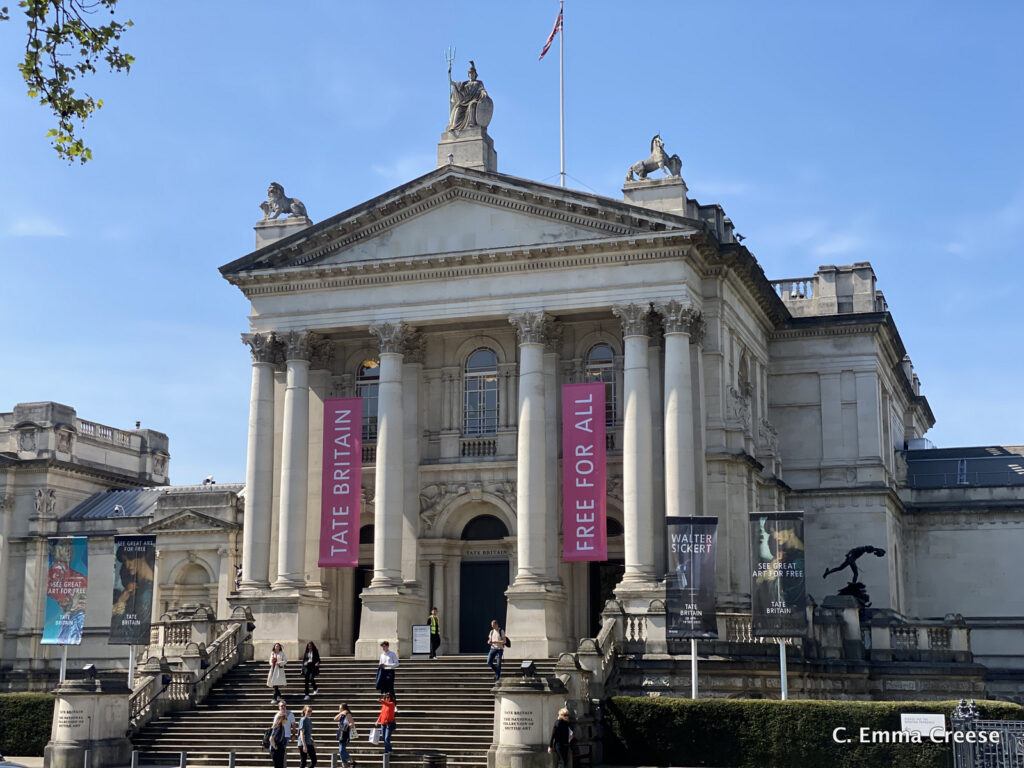
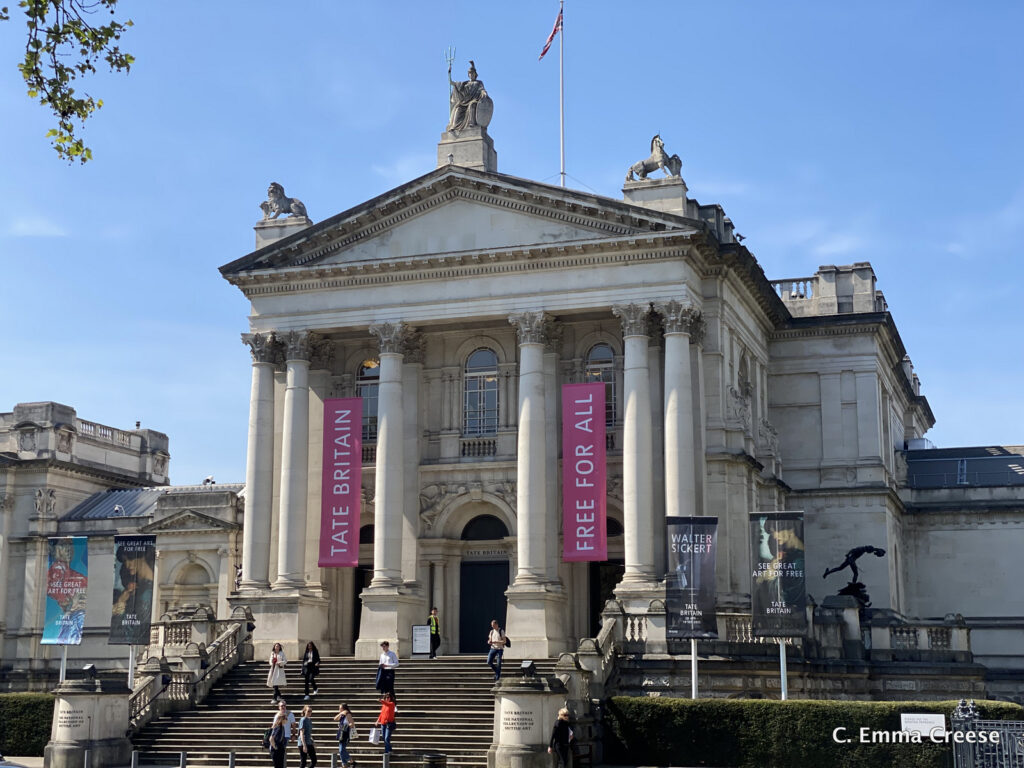
- The National Gallery and Tate Britain showcase centuries of canonical British and European art.
- The V&A, with its sumptuous ceramics, fashion, and sculpture, wraps visitors in beauty and scholarship, at no charge.
- The Wallace Collection, tucked behind Manchester Square, offers frescoed rooms filled with 18th‑century treasures in intimate silence.
Plan ahead for timed‑entry exhibitions—many host paid shows—but the core collections remain free, waiter‑quiet, and noble.
b) Royal Parks: Living Tapestries
London’s parks are pastoral masterpieces, open for free:
- St James’s Park, ringed by the horse‑guards and views of Buckingham Palace.
- Richmond Park with its roaming deer and sweeping heathland vistas.
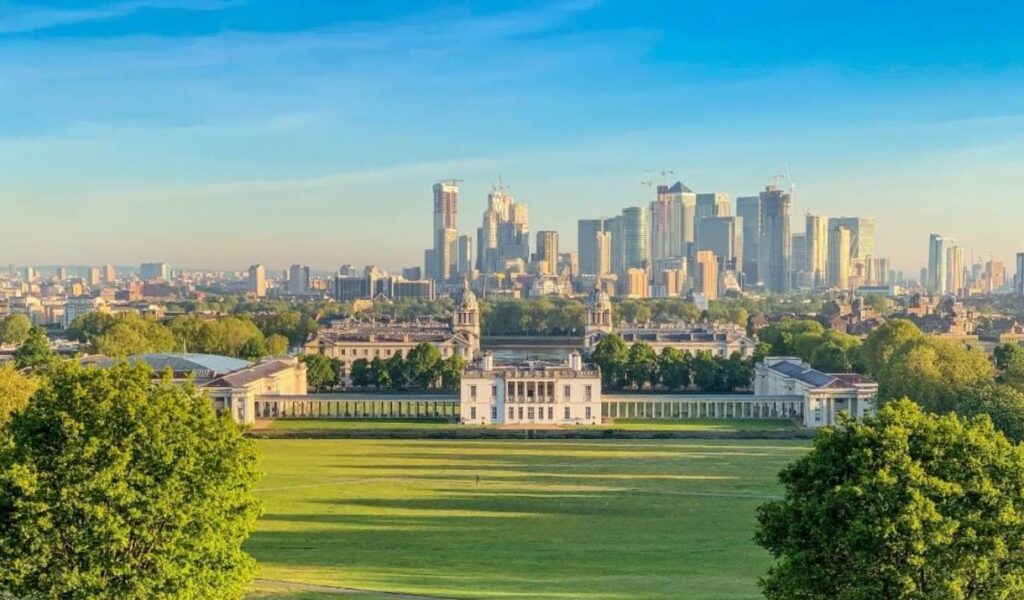
- Greenwich Park, where you can ascend gently toward the Royal Observatory with a sweeping panorama of the city.
- Kew Gardens, although admission is not free, offers an invaluable day for about £15–£20 if visited during off‑peak hours and booked online in advance.
c) Literary Walks and Free Tours
Where better than London to trace the footsteps of Dickens, Woolf, or Shakespeare?
- Download self‑guided walks (or pick one up at a museum) and wander literary alleyways such as Bloomsbury.
- There are also “pay what you like” walking tours, conducted by local scholars, that explore everything from Westminster’s power to the underbelly of East End street food. These offer disciplined insight at the traveller’s discretion and budget.
5. Dining with Elegance, Mindful of Cost
a) Market Cuisine: Fresh, Local, Affordable
London’s markets offer culinary pleasure without inflated menus:
- Maltby Street Market (near Bermondsey) or Broadway Market in Hackney teem with streetfood vendors offering gourmet sandwiches, cocktails in cans, and pastries that taste like indulgence.
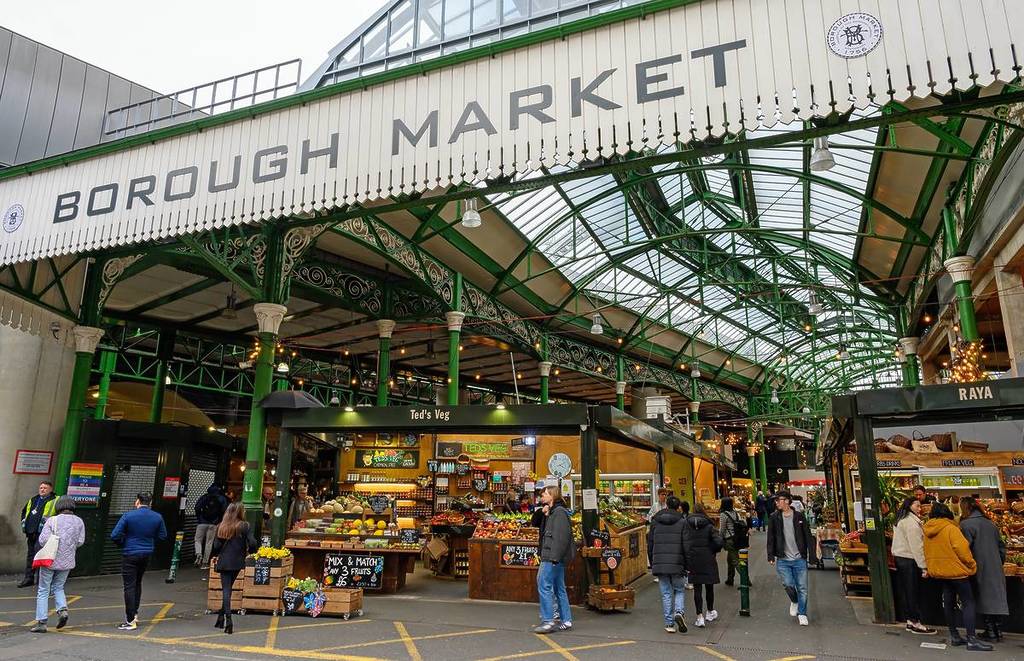
- Borough Market—especially mid‑week—is the realm of artisan cheeses, cured meats, and warm, steaming soups: elegant yet affordable.
b) Pubs and Hidden Cafés
Avoid the tourist‑crowded pubs around Trafalgar Square and head instead to quieter local favorites:
- In Richmond, The White Cross overlooks the Thames, pairing historic charm with fair prices.
- Around lively Camden or Peckham, independent cafés serve excellent brunches, pastries, and teas at modest sums, often accompanied by gentle live music.
c) Set‑Menu Jewels
London’s restaurants, particularly in the City or West End, often offer impeccable set‑menus priced between £18 to £25 for two or three courses at lunchtime. Seek out “pre‑theatre” offers (typically 5:30 to 7 p.m.) for main‑course plus starter or dessert at a single appealing rate.
6. Theatre, Music, and Nights Alive – Without the Hefty Price Tag
a) Matinee Matinée Delight
The West End may feel like a temple to extravagance, but midday matinees often come with reductions, sometimes 25–40 percent below evening performances. Look for “day seats” available at box offices for as little as £15–£20, released just before showtime, if you’re willing to sit higher in the gallery. Still, the vibrations of the orchestra and the hum of the audience render the same emotion.
b) Concerts and Recitals
- Many of London’s church spaces, such as St Martin‑in‑the‑Fields, offer evening concerts, sometimes benefiting local charities, for £10–£15.
- The Southbank Centre and Barbican occasionally host late‑night chamber music or jazz for minimal fees.
c) Free Festival Atmosphere
London’s calendar shines with free events: Notting Hill Carnival, Summer by the River at the Southbank, Open House London, and others offer cultural immersion without wallet strain, provided you plan travel and timing thoughtfully
7. Leisure, Learning, and Hidden Treasures
a) Markets as Museums
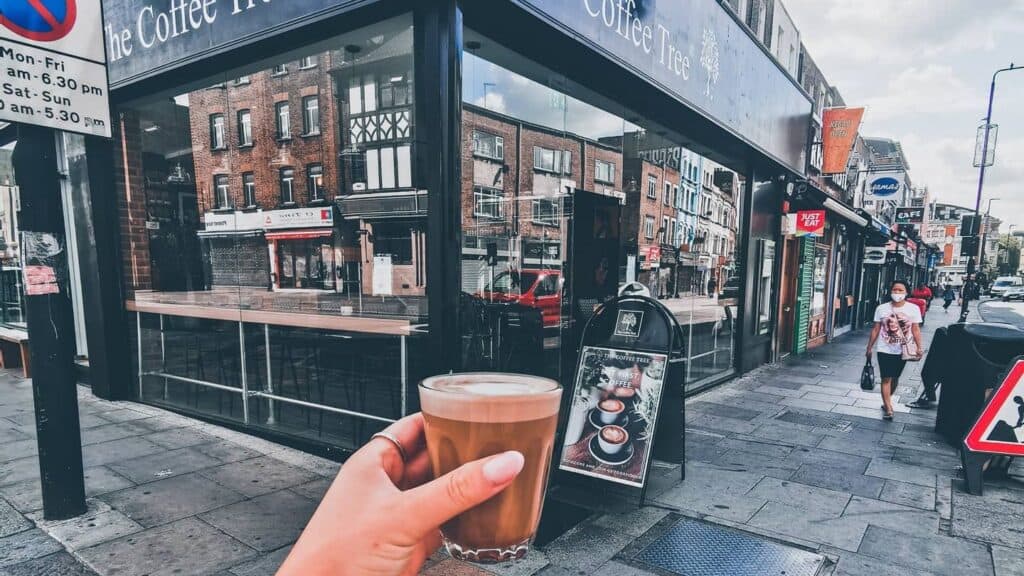
Markets in London are museums alive, atmospheric, and free to enter — where you can read the pulse of the city:
- Brick Lane Market brims with vintage textiles, books, and art, and the scent of spiced curries floats in from Indian cafés.
- Camden Lock Market pools artisans, vintage racks, and street performers, a constantly reinvented pageant.
b) Historic Churches and Quiet Chapels
- St Bride’s on Fleet Street, with its layered domes and whispered cathedral beauty, allows free entry to its crypt and galleries.
- The Royal Hospital Chelsea holds open days or guided tours that unveil its art and history: not frivolous, but thoughtfully priced.

c) Literary Temples
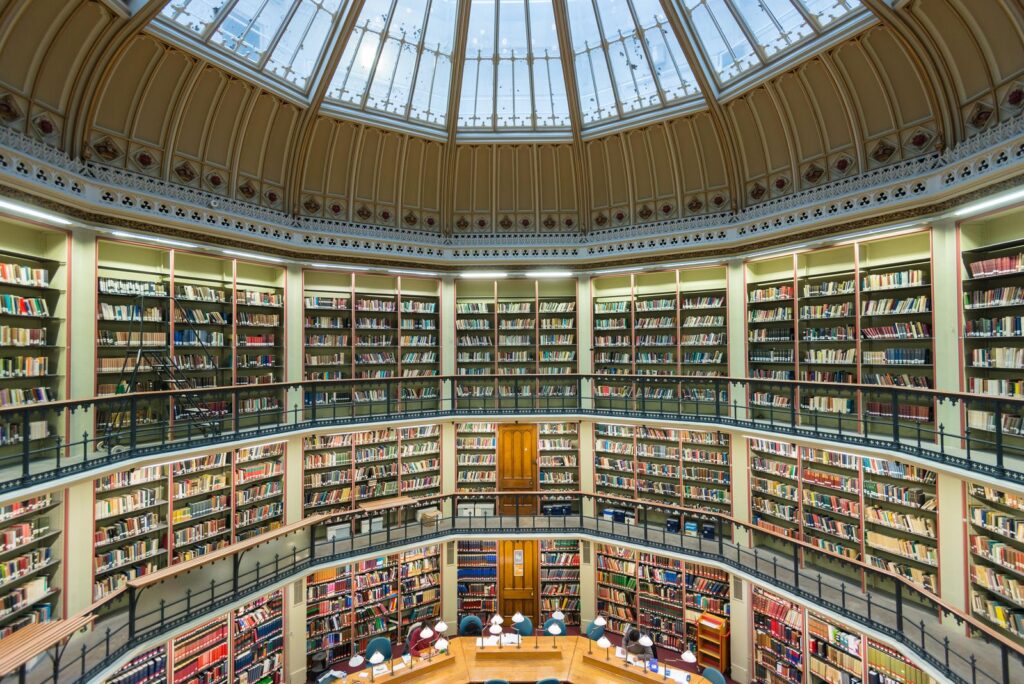
Public libraries like the British Library, with its treasures of Magna Carta and Beatles lyrics, are free to browse. Their gallery exhibitions, often immersive, are charged; but the core experience is accessible.
8. Elegant Itineraries for Budget‑Mindful Explorers
Two Sample Days of Grace on Modest Means
Day One:
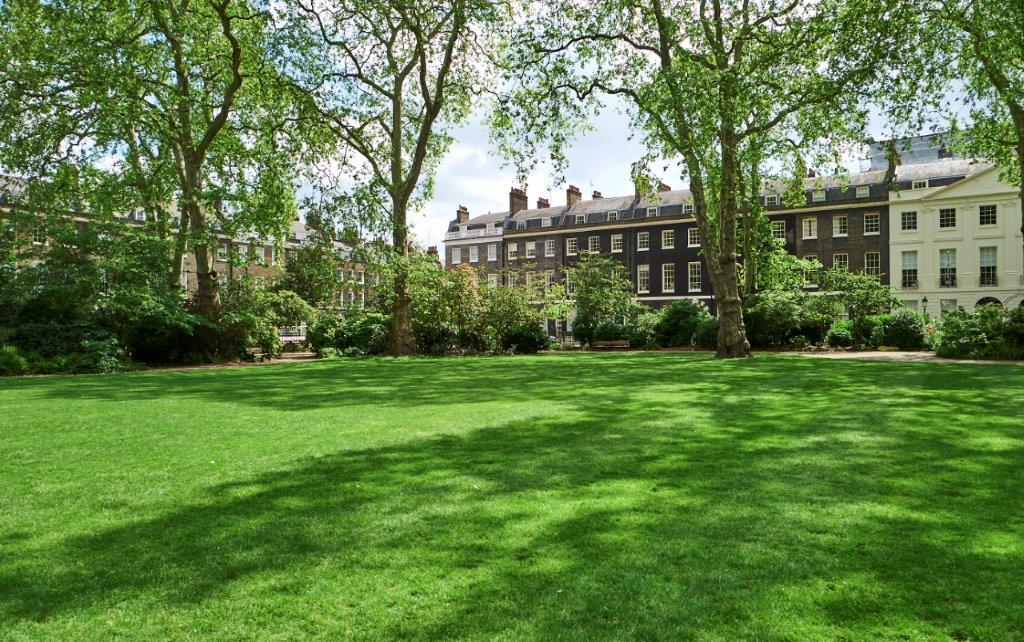
Start with a gentle breakfast in a Camden café (≈£6). Wander the market and Regents Canal, then free entry to the British Museum. Enjoy a light lunch from a borough market stall (≈£8). Meander through Bloomsbury’s garden squares. By afternoon, catch an off‑peak West End matinee (day seat for ≈£20). Dinner arrives via Borough Market’s produce trailed across streets.
Day Two:
Begin with a quiet stroll through Richmond Park—dawn if you can manage it, to see deer at golden hour (free). A riverside picnic (bought from local bakery: ≈£7) brings buoyant calm. Afternoon brings a “pay‑what‑you‑like” literary walk in the city followed by free entry to Tate Britain. A set‑menu pre‑theatre dinner (≈£20) leads you to a chamber concert in a church (≈£12). Wrap the evening with a Thames‑lit walk beneath the embankment lamplight.
9. Hidden Libraries, Private Gardens, and Members‑Only Moments —Without the Membership
a) London’s Quiet Corners of Privilege, Open to All
Even in a city known for exclusivity, there exist enclaves that whisper of old-world refinement yet welcome the curious public—often without cost, or with only a modest gesture.
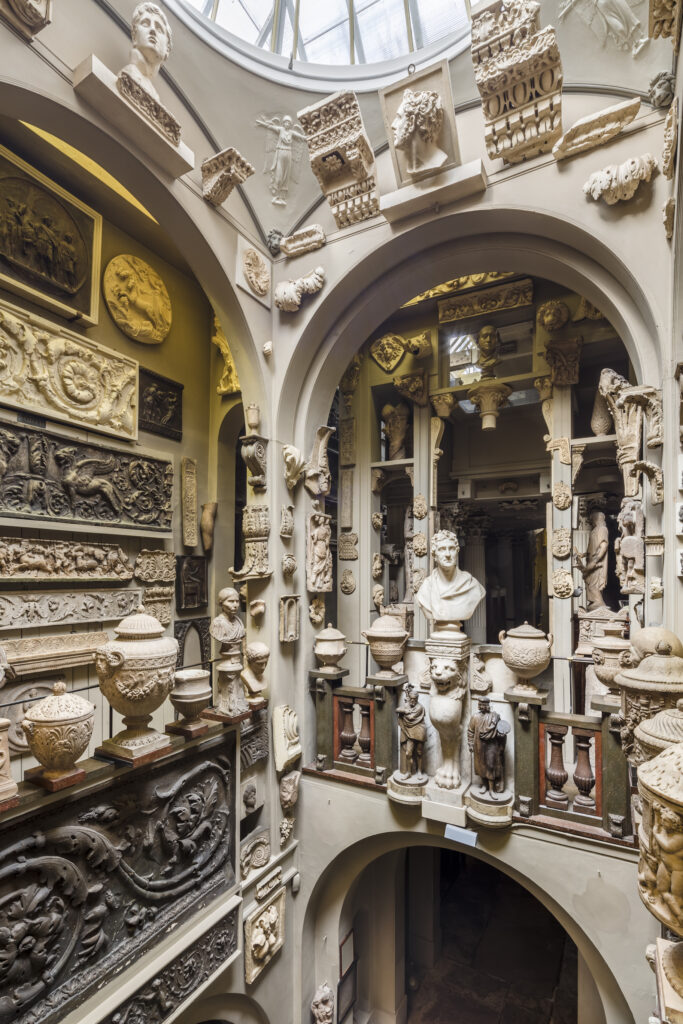
- Lincoln’s Inn Fields, nestled behind Holborn’s bustle, offers a hushed, manicured square wrapped in Georgian serenity. Adjacent lies Sir John Soane’s Museum, an architectural cabinet of curiosities—entry is free, but early arrival is wise.
- The Inner and Middle Temple Gardens, usually reserved for members of London’s ancient legal societies, open to the public during weekdays. Few tourists find them; fewer still understand the privilege of stepping beneath their yew-lined paths.
b) Historic Libraries and Reading Rooms
For those who travel with a love of the written word, London opens its arms:
- The London Library in St. James’s Square, once frequented by Woolf and Tennyson, offers limited visitor access by appointment or during open days. For the cost of a coffee, you may glimpse the stacks where literary history breathes.
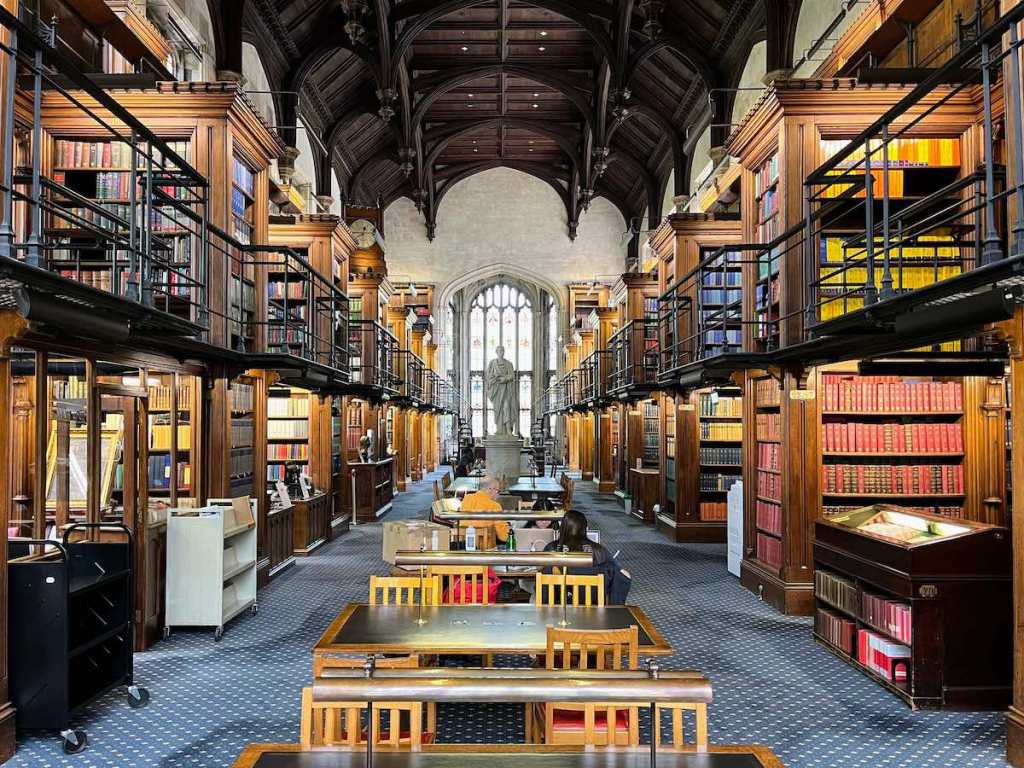
- Senate House Library, often mistaken for Orwell’s inspiration for 1984, provides free visitor cards for day use and regular exhibitions.
- The National Art Library, tucked within the V&A, is a gem: scholarly, silent, and open to any with curiosity and identification.
c) Members-Only Spaces, Temporarily Yours
- Many private clubs and rooftop gardens open their doors during Open House London or for special ticketed events. For example, The Roof Garden at 120 Fenchurch Street offers sky-high views—utterly free, if timed well.
- Art institutions like the Royal Academy frequently host “Friends’ Preview” events where the general public can attend for a modest fee or timed entry, enjoying the same cultural nourishment often reserved for members
10. The Mental Architecture of Elegant Budget‑Travel
Knowing how to stretch a pound is more than arithmetic: it’s an art. London yields to those who travel deliberately:
- Assemble a rough itinerary to avoid impulsive splurges on convenience.
- Prioritize experiences: Is it more evocative to pay full price for the Shard, or study the skyline from the slow charm of Greenwich Park?
- Embrace the beauty of simple moments: reflections in a mirrored canal, the hush of a museum, the arc of a red bus in the distance, these cost nothing and imprint infinitely.
To explore London for less is not to settle; it is to curate. It is about choosing softly shimmering guesthouses in artistic boroughs, capitalizing on free museums and parks, walking quietly across centuries, entering concerts for pennies, while seamlessly interlacing the elevated with the accessible.
Your footsteps over cobblestones in the hush before dawn. A mid‑morning pastry beside silent portraits. Afternoon music in candlelight. Nights beneath lamplight-streaked Thames skies. This is London, not diminished by economy, but made poetic through mindful choices. May your journey through London unfold like a well‑loved novel: each page crafted, each chapter elegant, all without lavish expense, yet rich in memory.